History

A history of crafters,

traders and makers

From a Roman settlement to the Larder of London, the site has been known for its business, trade and creativity for over 2,000 years. 

History runs deep here

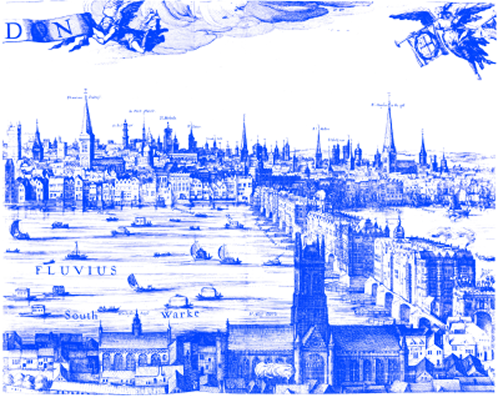
The area itself is nothing short of historic. London Bridge was once the longest inhabited bridge in Europe, with over 500 residents living on it. And the neighbouring Southwark Cathedral is the final resting place of Edmund Shakespeare, the lesser-known brother of the famous playwright.

Explore The Delft’s history

1100s
The area was bustling with community, packed with workshops 
and other industrial buildings.

Image: MOLA

1100s

1300s

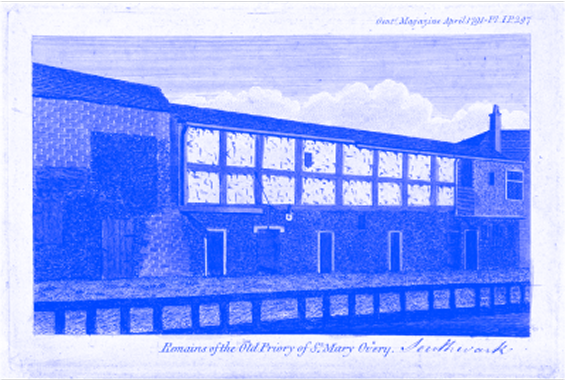
The site was within the boundaries of St Mary Overy — a priory which eventually became Southwark Cathedral.

Image: Wellcome Collection (recoloured)

1300s

1500s

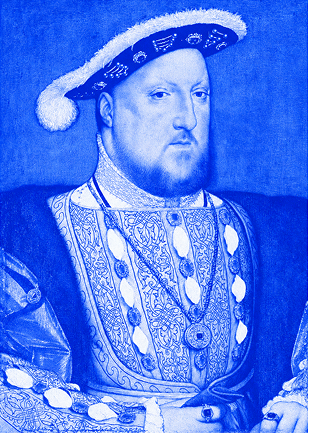
The priory buildings were passed through many owners, including Master of the Horse, Henry VIII (during the dissolution of the monasteries) and Viscount Montague, who gives his name to The Delft’s road Montague Close.

1500s

1600s

The site was sold to Robert Bromfield and Thomas Overman by Viscount Montague. They operated the lease of the wharf, kickstarting the site’s long association with warehousing.

1600s

1700s

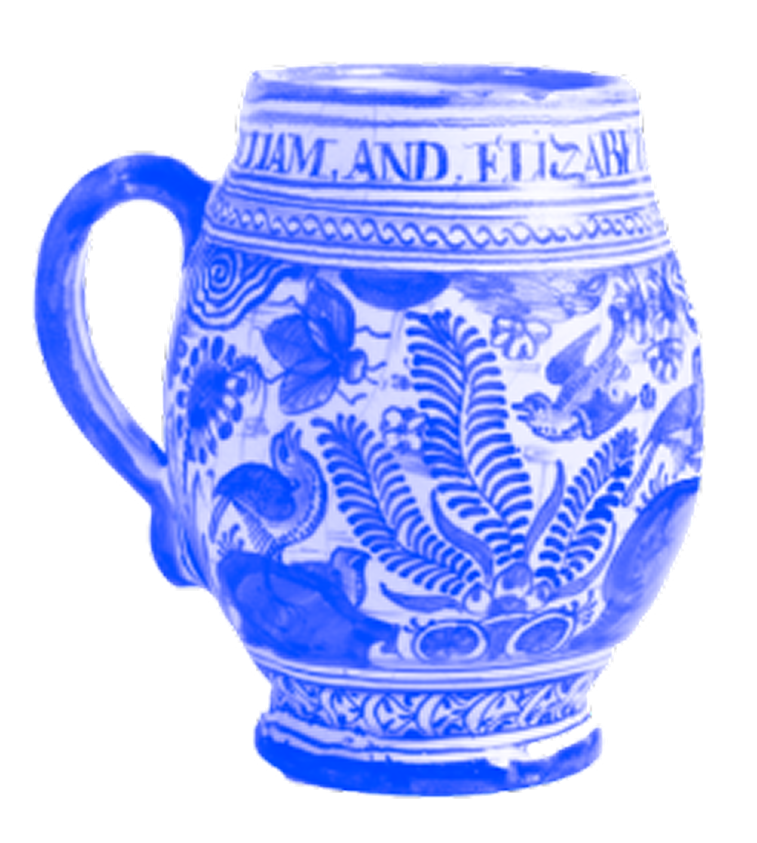
From 1612–1750, the former chapter house of St Mary Overy/Southwark Cathedral became the centre of delftware pottery, with the first tin-glazed pothouse in Southwark located here.

1700s

1800s

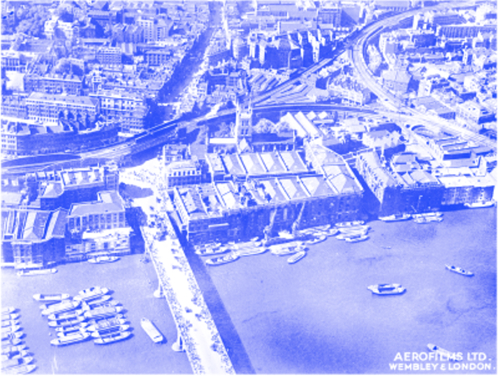
From 1836, the site was known as New Hibernia Wharf. Hibernia is the original Latin name for Ireland, and the wharf stored butter from Ireland. That’s how this particular stretch of the river got the nickname ‘The Larder of London’.

Image: Britain From Above

1800s

1900s

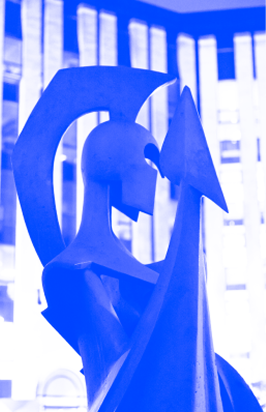
Developed in 1979 by Twigg, Brown & Partners, the building was known as Minerva House, and became the London office for Grindlays Bank & Partners. A statue of the Roman goddess ‘Minerva’ was commissioned opposite the building.

1900s

Today

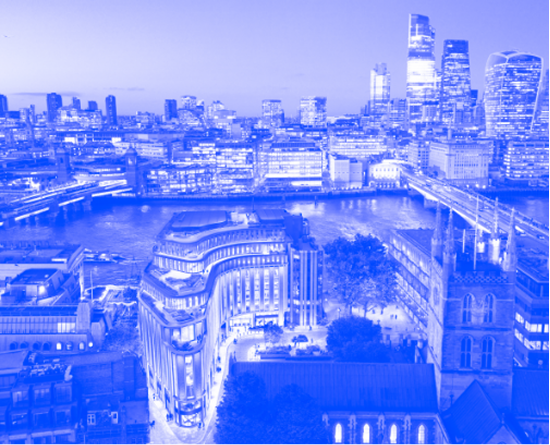
The Delft offers 86,000 sq ft of brand new workspace with exceptional panoramic views and an uninterrupted riverside presence.

Today